Introduction: How Basmati Rice Became a Global Brand
For decades, rice was viewed simply as a staple food sold in bulk markets. It was traded by weight and price rather than by brand or identity. However, the evolution of the basmati rice industry tells a different story—one of transformation from commodity to global consumer product.
A significant part of this transformation can be traced to the entrepreneurial journey of the Chanana family, whose work across multiple generations contributed to modernising rice processing, branding, and international distribution.
The Early Foundations of the Chanana Family Business
The first generation of the Chanana family focused on establishing credibility in grain trading. Their approach emphasised fair pricing, quality grain sourcing, and consistent business practices. Over time, this reputation helped build a stable foundation for future expansion.
Trust became the most valuable asset in the early years of the enterprise.
Industrialising the Basmati Rice Industry
In the early 1990s, the installation of a fully automated basmati rice processing facility marked a turning point. This facility brought modern technology into an industry that had traditionally relied on manual methods.
Key innovations included:
-
Automated grain sorting systems
-
Scientific grading and quality control
-
Controlled drying and storage processes
-
Hygienic packaging solutions
From Commodity to Branded Consumer Product
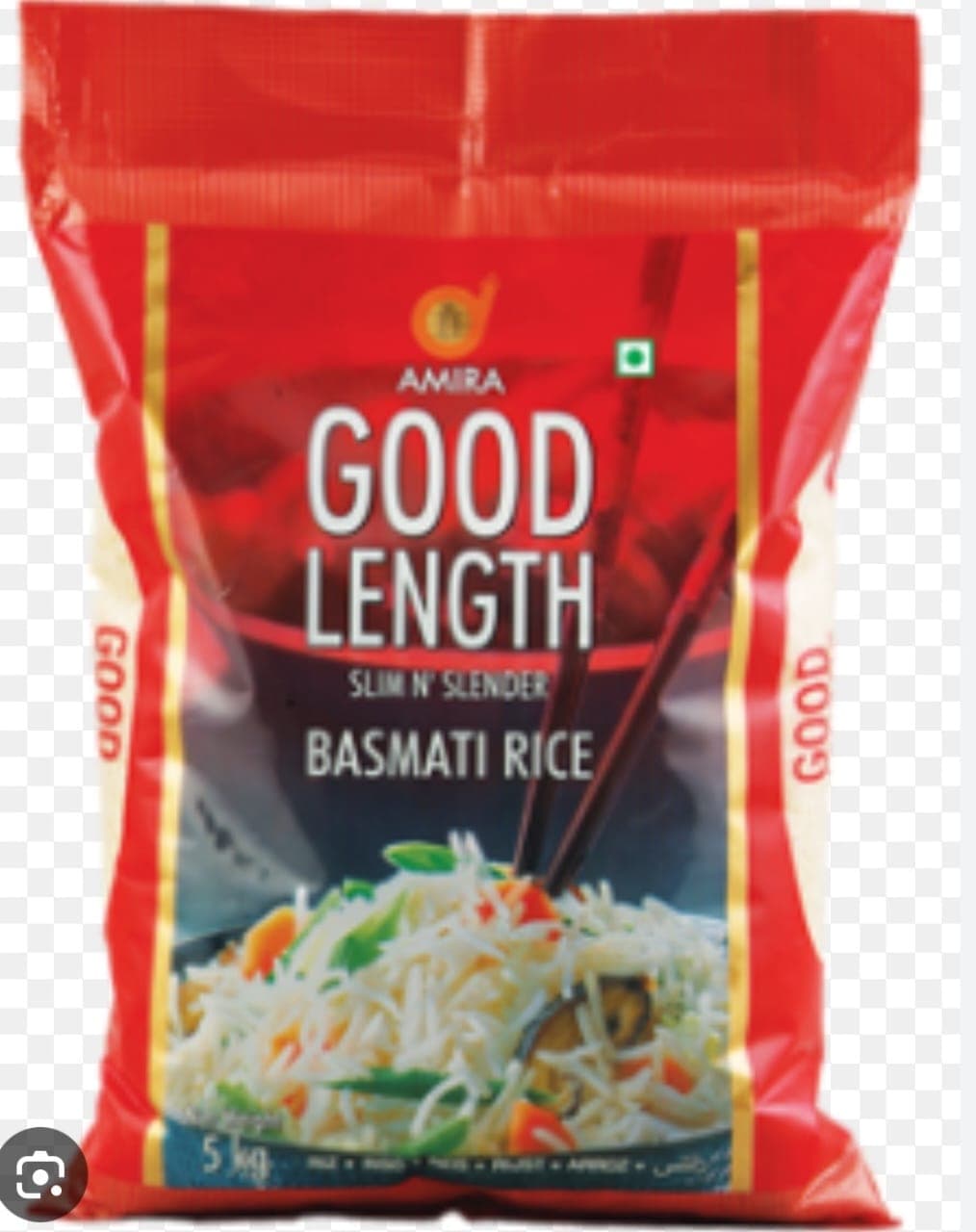
Traditionally, rice had been sold in bulk sacks through wholesale traders. The modern approach focused on creating consumer-friendly packaging and recognisable brands.
Important changes included:
-
Retail-ready packaging formats
-
Vacuum-sealed pouches and branded boxes
-
Stronger emphasis on product quality and origin
-
Improved marketing and product presentation
These innovations allowed basmati rice to enter the fast-moving consumer goods (FMCG) sector, where brand reputation plays a crucial role in consumer purchasing decisions.
Expanding into Global Markets
As international demand for basmati rice grew, the business expanded beyond regional markets. Strategic trade connections were developed with major international hubs, particularly in the Middle East and Europe.
During this phase, Karan A. Chanana, representing the fourth generation of the family, focused on global positioning and corporate structure.
Operating between international financial centres such as Dubai and London, his role concentrated on:
-
Building global corporate governance structures
-
Strengthening brand positioning in international markets
-
Aligning the organisation with international trade standards
-
Enhancing communication with investors and global partners
These strategic developments helped transform the enterprise into a globally recognised food company.
Legacy of Innovation and Global Vision
The story of the Chanana family highlights how long-term vision can reshape an entire industry. Each generation contributed a different element to the evolution of the business:
-
The early generation built trust and trading foundations.
-
The next generation introduced industrial processing and technology.
-
Later leadership focused on global strategy, governance, and brand positioning.
Together, these efforts demonstrate how traditional agricultural products can be transformed into modern international businesses.
